From Neglected to Sale-Ready
Professional restoration that explains what changed and why. RestoreLab diagnoses visible wear in kitchens and bathrooms, then applies proven treatment pathways to restore surfaces to their original condition. We don't just clean—we explain the science behind decay and the methods that reverse it.
Visible Wear Decoded
Grout discoloration, mineral film, dull tile—what they really mean.
Grout discoloration isn't always permanent staining. Hard water deposits, soap scum, and mineral buildup create a film that looks like damage but responds to targeted treatment. Dull tile surfaces lose their sheen when mineral deposits and oxidation layer the glaze, reducing light reflection and creating a tired appearance. Understanding the root cause—whether hard water, humidity, soap residue, or mold growth—determines the correct restoration method and prevents recurrence.
Most homeowners assume visible wear requires replacement. In reality, grout can be re-sealed, tile can be restored to its original finish, and appliances can be brought back to showroom condition through diagnostic assessment and technical intervention. RestoreLab helps you recognize these patterns early and understand what's happening beneath the surface.
Restoration Reasoning
What changed, why it changed, and how we made it happen.
Grout Restoration
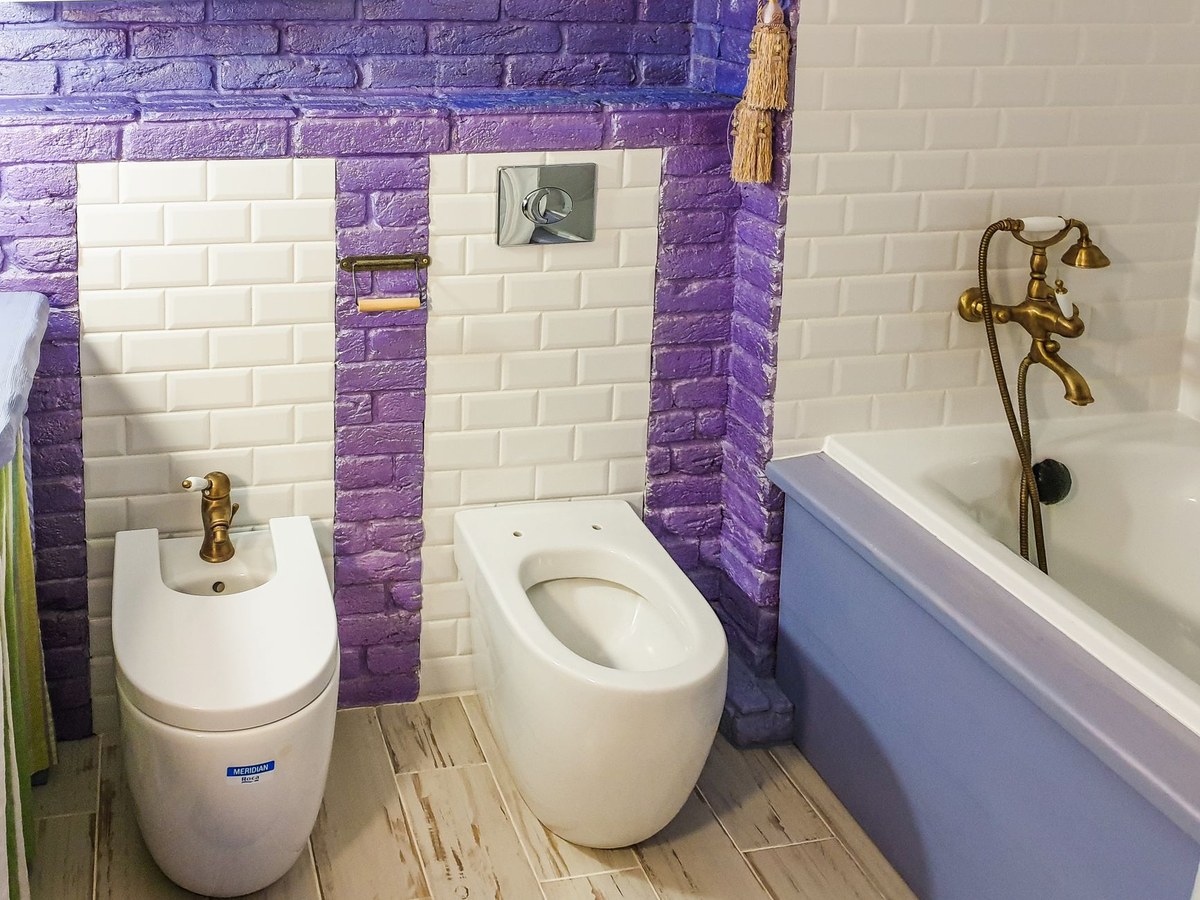
Problem: Hard water staining and mineral deposits darkened grout lines, making the kitchen appear aged and poorly maintained. Treatment: Targeted mineral removal followed by professional sealing to prevent recurrence. Result: Grout restored to original color; kitchen appears 10 years newer.
Tile Surface Restoration
Problem: Soap scum and oxidation dulled tile glaze, reducing light reflection and creating a hazy appearance. Treatment: Specialized cleaning and glaze restoration to recover original finish. Result: Tile regains depth and shine; bathroom feels cleaner and brighter.
Appliance Restoration
Problem: Water spots and mineral deposits accumulated on stainless steel, creating a spotted, neglected appearance. Treatment: Mineral removal and protective coating application to resist future buildup. Result: Appliances look new; kitchen value increases measurably.
Restoration in Five Steps
Diagnostic visit, preparation, treatment, sealing, final walkthrough.
-
1
Diagnostic Assessment
We visit your kitchen or bathroom, photograph affected surfaces, and identify the root cause of visible wear. Hard water? Mold? Soap buildup? Each requires a different treatment pathway. This visit is free and takes 30 minutes.
-
2
Preparation & Protection
We protect surrounding surfaces, remove loose debris, and prepare the area for treatment. This phase ensures no collateral damage and sets up the treatment for maximum effectiveness.
-
3
Targeted Treatment
Using the correct method for the identified problem—mineral removal, mold treatment, oxidation reversal—we apply proven restoration techniques. This is where the visible transformation happens.
-
4
Sealing & Protection
We apply protective sealers to grout, tile, and surfaces to prevent recurrence and extend the life of the restoration. This step is critical for long-term results.
-
5
Final Walkthrough & Care Plan
We review the results with you, explain what changed and why, and provide a maintenance plan to keep surfaces in restored condition. You'll understand how to prevent problems from recurring.
Request Your Diagnostic Visit
Tell us about your kitchen or bathroom. We'll explain what's happening and what's possible.
+65 8343 5477
hello@groutdecaymap.info
Chestnut Avenue, Central Water Catchment, Singapore 679521, Singapore
What Causes Problems & How to Prevent Them
Practical answers about maintenance, recurrence, and long-term care.
-
What causes grout to discolor between cleanings? +
Hard water deposits, soap residue, and mineral buildup accumulate on grout surfaces, creating a darkened appearance that looks like permanent staining. In humid bathrooms, mold can also contribute to discoloration. Regular sealing prevents these deposits from bonding to grout, making cleaning easier and preventing recurrence. Without sealing, grout is porous and absorbs minerals and mold spores.
-
How often should I have grout and tile sealed? +
Most grout and tile sealers last 2–3 years in high-moisture areas like bathrooms. We recommend annual inspections to check seal integrity. If water beads on the surface, the seal is still effective. If water absorbs, it's time to reseal. Kitchen grout may last longer since it experiences less moisture. We provide a maintenance plan after every restoration.
-
Will the problem come back after restoration? +
Restoration addresses the visible problem and applies protective measures to prevent recurrence, but it doesn't eliminate hard water or humidity. With proper sealing and basic maintenance—wiping down surfaces after showers, using a squeegee, and ventilating bathrooms—restored surfaces stay in condition for years. We provide specific care instructions tailored to your water hardness and bathroom conditions.
-
What's the difference between cleaning and restoration? +
Cleaning removes surface dirt and debris but doesn't address mineral deposits, oxidation, or sealed-in staining. Restoration removes the root cause—whether mineral buildup, mold, or oxidation—and restores the original finish. After restoration, regular cleaning keeps surfaces in condition. We often recommend professional cleaning every 6 months to extend the life of restoration.
-
How long does a typical restoration take? +
Most kitchen and bathroom restorations take 1–3 days depending on the size and severity of wear. A small bathroom grout restoration might take one day; a full kitchen with appliances and tile might take three. We schedule work around your schedule and provide a detailed timeline during the diagnostic visit. You can use the space immediately after sealing is complete.